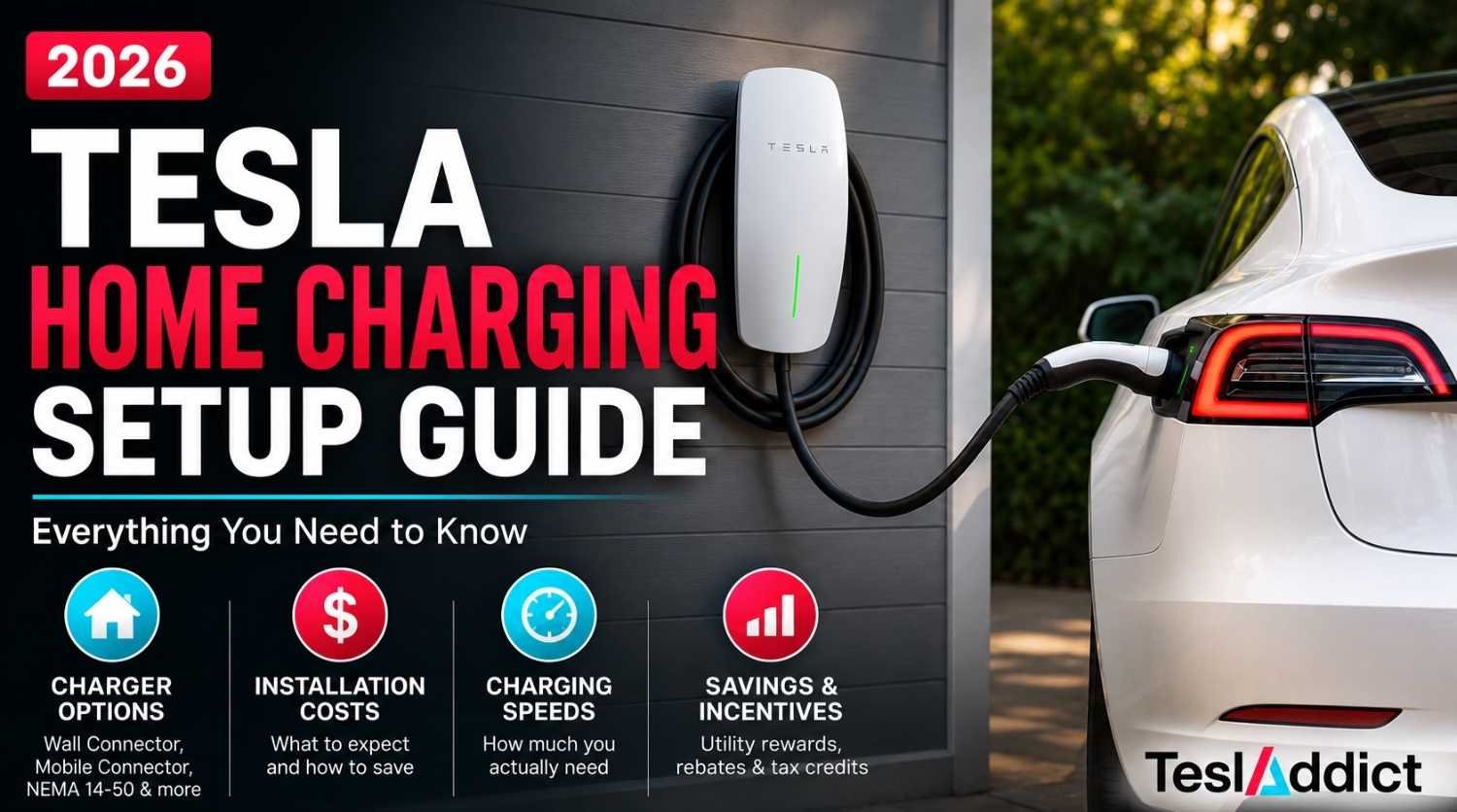
Charging at home is one of the biggest advantages of Tesla ownership. Instead of visiting gas stations, most Tesla owners simply plug in overnight and wake up with a full battery every morning.
But choosing the right home charging setup can be confusing. Should you install a Tesla Wall Connector? Is a NEMA 14-50 outlet enough? Do you need a smart charger? And how much will installation actually cost?
This guide explains everything U.S. Tesla owners need to know about home charging so you can choose the setup that fits your driving habits and budget.
Calculate Your Charger Payback Period →
Quick Answer: What Home Charging Setup Should Most Tesla Owners Choose?
| Situation | Recommended Setup |
|---|---|
| Drive less than 50 miles per day | Mobile Connector + NEMA 14-50 outlet |
| Drive 50–100 miles per day | Tesla Wall Connector |
| Multiple EV household | Tesla Wall Connector or Smart Charger |
| Utility rewards available | Smart Charger (Emporia, ChargePoint, Wallbox) |
| Lowest upfront cost | NEMA 14-50 outlet |
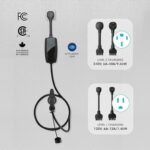
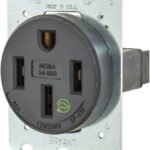
For most Tesla owners, a NEMA 14-50 outlet paired with the Tesla Mobile Connector provides more than enough charging speed while keeping installation costs relatively low.
Understanding Tesla Home Charging Levels
There are three primary ways to charge a Tesla at home.
Level 1 Charging (Standard Wall Outlet)
Level 1 charging uses a regular 120V household outlet.
- Charging speed: 3–5 miles of range per hour
- No installation required
- Best for very low-mileage drivers
- Not ideal for most Tesla owners
While technically usable, Level 1 charging is too slow for most drivers who rely on their vehicle daily.
Level 2 Charging (240V Outlet or Wall Charger)
Level 2 charging is the most common home charging solution.
- Charging speed: 20–48 miles of range per hour
- Charges overnight
- Most cost-effective option
- Works for nearly every Tesla owner
Most homeowners should focus on a Level 2 setup.
Level 3 Charging (Superchargers)
Tesla Superchargers are designed primarily for road trips and long-distance travel.
- Extremely fast charging
- Higher cost per kWh than home charging
- Not intended for daily charging
For the lowest ownership cost, home charging should remain your primary charging source whenever possible.
Tesla Mobile Connector vs Tesla Wall Connector
| Feature | Mobile Connector | Wall Connector |
|---|---|---|
| Installation Required | No | Yes |
| Typical Charging Speed | 20–30 miles/hour | 30–48 miles/hour |
| Portable | Yes | No |
| Wi-Fi Updates | No | Yes |
| Load Sharing | No | Yes |
| Best For | Single EV households | Dedicated home charging |
When the Mobile Connector Makes Sense
The Tesla Mobile Connector is often the most economical solution.
- Lower upfront cost
- No permanent charging hardware
- Works with a NEMA 14-50 outlet
- Enough charging speed for most drivers
If you drive less than 70 miles per day, a Mobile Connector setup is often all you need.
When the Wall Connector Makes Sense
The Tesla Wall Connector provides the most seamless Tesla ownership experience.
- Always ready to use
- Faster charging speeds
- Cleaner installation
- Load sharing for multiple Teslas
- Wi-Fi software updates
Households with multiple EVs often benefit most from the Wall Connector.
NEMA 14-50 Outlet vs Hardwired Charger
This is one of the most common decisions Tesla owners face.
| Feature | NEMA 14-50 | Hardwired Charger |
|---|---|---|
| Upfront Cost | Lower | Higher |
| Installation Complexity | Simple | Moderate |
| Maximum Power | Usually 40A | Up to 48A |
| Future EV Flexibility | Excellent | Depends on charger |
| Appearance | Basic | Premium |
For many Tesla owners, a NEMA 14-50 outlet offers the best balance of cost and performance.
How Much Charging Speed Do You Actually Need?
Many new Tesla owners overestimate how much charging speed they need.
| Daily Driving | Recommended Charging Speed |
|---|---|
| 20 miles/day | 5–10 miles/hour |
| 40 miles/day | 10–15 miles/hour |
| 60 miles/day | 20 miles/hour |
| 100+ miles/day | 30+ miles/hour |
Because vehicles typically remain parked for 8–12 hours overnight, even moderate charging speeds are often sufficient.
Typical Home Charging Installation Costs
| Installation Scenario | Typical Cost |
|---|---|
| Panel beside garage | $300–$800 |
| Moderate wiring run | $800–$1,500 |
| Long wiring run | $1,500–$3,000+ |
| Electrical panel upgrade required | $2,000–$6,000+ |
Installation cost is often more important than charger price when calculating long-term return on investment.
Use the Better Charger ROI Calculator →
Do You Need a Smart EV Charger?
Not necessarily.
A smart charger may make sense if:
- Your utility offers off-peak charging rewards
- You participate in demand-response programs
- You want charging reports and analytics
- You have multiple EVs
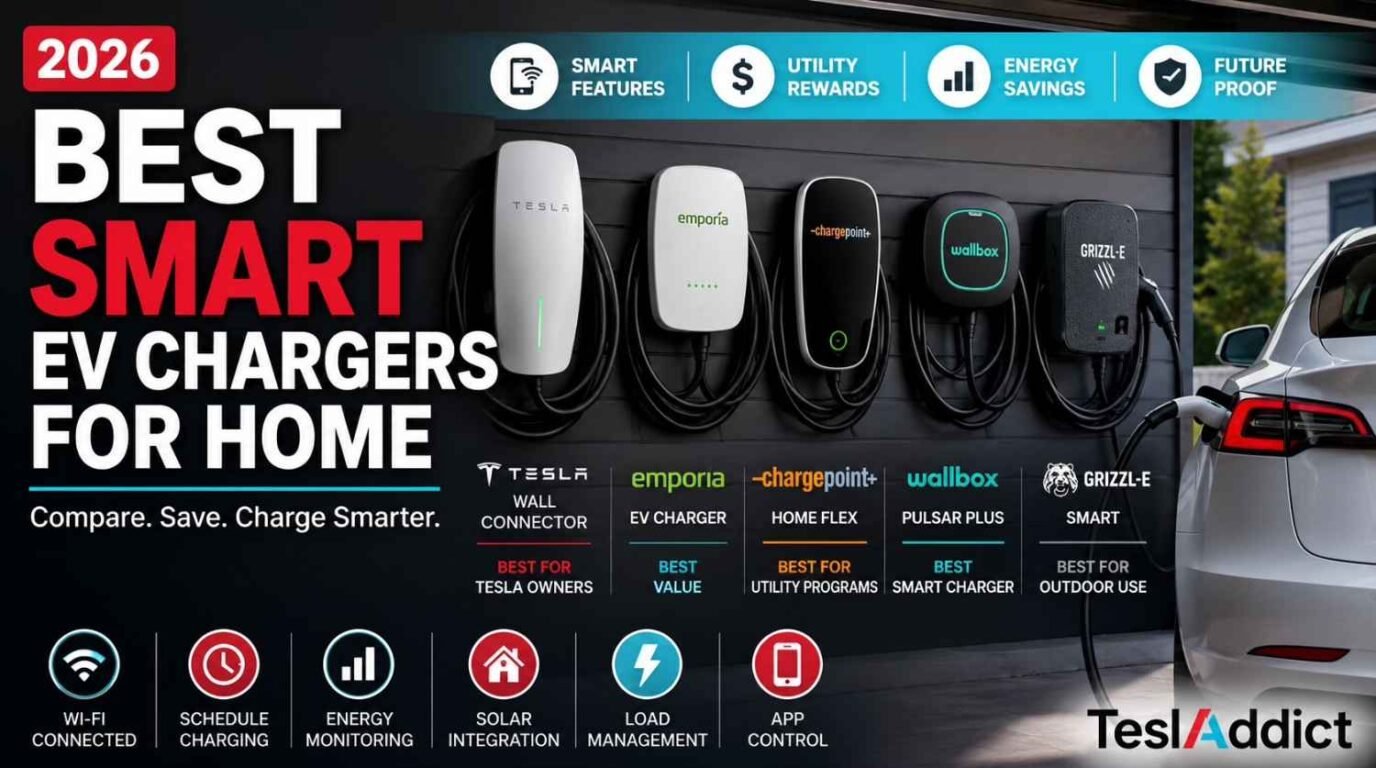
Popular smart chargers include:
- Emporia EV Charger
- ChargePoint Home Flex
- Wallbox Pulsar Plus
- Grizzl-E Smart
Many Tesla owners, however, are perfectly satisfied using a simple NEMA 14-50 outlet and Mobile Connector.
Apartment and Condo Charging
Apartment and condo residents face unique challenges.
Possible solutions include:
- Reserved EV charging spaces
- Shared Level 2 chargers
- Workplace charging
- Nearby public charging stations
- Building EV charging programs
If you’re considering a Tesla while living in a condo, investigate charging options before purchasing.
Common Home Charging Mistakes
- Buying more charging power than needed
- Ignoring utility rewards programs
- Skipping future-proofing for a second EV
- Not obtaining multiple electrician quotes
- Assuming Supercharging will be cheaper than home charging
- Ignoring installation cost when comparing chargers
Recommended Setup by Driver Type
| Driver Type | Recommended Setup |
|---|---|
| Budget-conscious owner | NEMA 14-50 + Mobile Connector |
| Daily commuter | Tesla Wall Connector |
| Multiple EV household | Tesla Wall Connector with load sharing |
| Utility incentive participant | Smart EV charger |
| Apartment resident | Building charging or workplace charging |
Frequently Asked Questions
Is a Tesla Wall Connector worth it?
For many owners, yes. It offers faster charging, a cleaner installation, and useful features like load sharing and Wi-Fi updates.
Can I charge my Tesla using a regular outlet?
Yes, but charging speeds are slow. Most owners benefit from a Level 2 charging solution.
How much does it cost to charge a Tesla at home?
The cost depends on local electricity rates and vehicle usage. Home charging is typically far cheaper than gasoline.
Do I need a smart charger?
No. Smart chargers are most valuable when utility rewards programs or advanced monitoring features are available.
What is the best Tesla home charging setup?
For most households, a NEMA 14-50 outlet with a Tesla Mobile Connector provides the best balance of affordability and convenience.
Final Thoughts
The best Tesla home charging setup is not necessarily the fastest or most expensive option. For most owners, the goal is simply to recover your daily driving needs overnight while keeping installation costs reasonable.
Before purchasing charging hardware, compare installation costs, utility rewards, and potential long-term savings.
Next Step: Use the Better Charger ROI Calculator to compare charger options and determine which setup delivers the fastest payback for your situation.