Before your Tesla’s Basic Vehicle Limited Warranty expires, check for recurring faults, document symptoms and request service promptly. For current new-vehicle coverage in Canada, the usual basic limit is 4 years or 80,000 km, whichever comes first. Your VIN’s original warranty documents determine the actual terms.
Use the checks below to identify concerns, not to diagnose parts yourself. Perform screen and equipment checks while parked. If braking, steering or another safety-critical function seems unsafe, obtain assistance rather than continue a test drive.
When Does a Tesla Warranty Expire in Canada?
Tesla provides several separate limited warranties. Reaching 80,000 km does not mean every warranty on your vehicle disappears.
| Warranty | Typical Current Canadian Coverage |
|---|---|
| Basic Vehicle Limited Warranty | 4 years or 80,000 km, whichever comes first |
| Supplemental Restraint System Limited Warranty | 5 years or 100,000 km, whichever comes first |
| Battery & Drive Unit — applicable Model 3 and Model Y configurations | Generally 8 years with a model/configuration-specific kilometre limit and minimum 70% battery-capacity retention during the warranty period |
| Battery & Drive Unit — certain Long Range / Premium configurations | Generally 8 years with a higher kilometre limit, depending on model and configuration |
| Body Rust Limited Warranty | 12 years with no distance limit for qualifying inside-out rust perforation; exclusions and purchase-date limits apply |
Battery and Drive Unit limits vary by Tesla model and configuration. For example, Tesla currently lists 8 years or 192,000 km for applicable Model Y configurations sold in Canada.
Your vehicle’s actual warranty documentation is authoritative, so verify the coverage applicable to your VIN, model, configuration and delivery date rather than relying solely on a general warranty table.
Check Tesla’s Official Canadian Vehicle Warranty Information →
The table is a general overview. Other coverage, including applicable emissions warranties, may also exist. A loss of displayed range is not itself proof of a battery defect.
Inspect and test the vehicle
1. Test the Suspension
Find a quiet route with normal pavement, gentle bumps, driveway transitions and low-speed turns.
Turn off the music and listen for:
- Repeatable clunks
- Knocking
- Popping
- Clicking while turning
- Unusual squeaking
- Abnormal sounds over speed bumps
- Noise consistently coming from one corner
A noise by itself does not automatically mean you have a warranty-covered suspension defect. Normal noise, vibration, deterioration and wear can fall outside warranty coverage.
But a new and repeatable sound accompanied by abnormal steering, suspension or handling behaviour deserves investigation.
2. Pay Attention to the Steering
Drive on a safe, reasonably level road and notice how the steering behaves.
Look for:
- Unusual steering-wheel vibration
- Notchy or inconsistent steering effort
- Unexpected looseness
- Clicking or popping while turning
- Persistent pulling to one side
- A noticeable change from the way the car normally steers
If your Tesla pulls to one side, inspect the tires as well. Alignment, tire pressure, tire condition and other factors can influence steering behaviour.
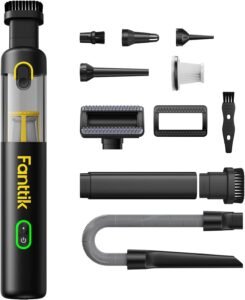
Fanttik V8 APEX mini vacuum: Tidy light dust and crumbs with a compact cordless vacuum and crevice tools. USB-C charging; designed for small interior cleaning jobs. Modern Spare Tire Kit · Tesla Model Y: A compact spare kit for Model Y, with a carrying-case option for the main cargo area. Check the selected package and exact vehicle fit.
3. Inspect All Four Tires—Especially the Inner Edges
Do not judge your tires only by looking at the centre tread.
Inspect as much of the entire tread width as safely possible.
Look for:
- Excessive inner-edge wear
- Outer-edge wear
- Cupping
- Irregular tread patterns
- One tire wearing substantially faster than the others
Tesla recommends tire rotation approximately every 10,000 km, or when tread-depth difference reaches the applicable threshold, whichever comes first. Recommendations can vary by model, so check the current owner’s manual for your Tesla.
Routine tire wear, rotation, wheel balancing and alignment are not automatically warranty repairs.
However, an abnormal wear pattern can sometimes indicate an underlying issue worth diagnosing.
Review Tesla’s Canadian Vehicle Maintenance Information →
4. Canadian Owners: Pay Extra Attention to the Brakes
Regenerative braking means a Tesla may use its friction brakes less frequently than a conventional gasoline vehicle. Combine that with winter moisture, snow and road salt and corrosion can become an important maintenance consideration.
Tesla recommends cleaning and lubricating brake calipers every 12 months or 20,000 km for applicable vehicles operated in areas where roads are salted during winter.
Tesla says Model Y vehicles produced after February 2025 do not require brake lubrication. Follow the brake-cleaning procedure for your exact model and model year.
Before your warranty expires, pay attention to:
- Grinding or scraping
- Unusual brake noise
- Abnormal vibration when braking
- Uneven braking behaviour
- Brake-related warning messages
- Visible excessive corrosion that concerns you
Brake pads, rotors and routine brake servicing can be normal maintenance or wear items. Finding corrosion does not automatically create a warranty claim.
But abnormal braking behaviour or an actual component defect should not be ignored.
5. Test Every Camera
Teslas depend heavily on cameras, yet owners can become accustomed to intermittent camera issues.
Check every camera view available from your vehicle.
Watch for:
- Black camera feeds
- Persistent flickering
- Image corruption
- Repeated camera-unavailable messages
- A camera that consistently behaves differently from the others
Dirty cameras, snow, ice, heavy rain, condensation and poor weather can temporarily affect visibility and do not automatically indicate defective hardware.
Clean accessible camera surfaces appropriately and determine whether the problem remains repeatable under normal conditions.
6. Review Driver-Assistance and Safety Alerts
Recurring alerts involving cameras, parking assistance, steering, braking, restraints or other vehicle systems should be documented.
If an intermittent message appears again, photograph or screenshot it if you can do so safely.
The exact wording is far more useful to Tesla Service than trying to remember what the warning said several weeks later.
7. Put the Touchscreen Through a Proper Test
Test more than the functions you normally use.
- Touch different areas of the display
- Open major menus
- Use navigation
- Test Bluetooth
- Play audio
- Adjust climate controls
- Open camera views
- Test steering-wheel controls
- Connect to Wi-Fi
Look for persistent freezing, unexplained restarts, display artifacts, dead touch areas or repeatable failures.
An isolated software glitch does not necessarily indicate a defective touchscreen. What matters is whether the problem is persistent or reproducible.
8. Test Heating and Air Conditioning
For Canadian owners, HVAC performance is particularly important.
Do not discover a heating, heat-pump or defrost problem during the first major cold snap after your warranty expires.
Test:
- Cabin heating
- Maximum cooling
- Front windshield defrost
- Rear defrost
- Different fan speeds
- Airflow from multiple vents
- Temperature adjustment
- Heated seats
- Ventilated seats, if equipped
- Heated steering wheel, if equipped
Weak airflow can sometimes be caused by a maintenance item such as a cabin air filter rather than a warrantable defect.
Persistent inability to heat or cool the cabin properly, unusual HVAC noises or system warnings deserve closer attention.
9. Test Your Charge Port and Charging
- Does the charge-port door open correctly?
- Does it close correctly?
- Does the connector latch normally?
- Does it release reliably?
- Does charging start consistently?
- Have you experienced repeated charging errors?
- Does charging unexpectedly stop?
- Does scheduled charging work correctly?
If possible, determine whether a charging problem occurs only at home, only at a Supercharger or across multiple charging sources. A problem with one specific EVSE or charging station may not be a vehicle defect.
10. Test Every Powered Component
Operate equipment you may rarely use.
- Driver and passenger power seats
- Every direction of seat adjustment
- Power mirrors
- Mirror folding
- Powered trunk/liftgate
- Frunk release
- Charge-port door
- Powered doors where equipped
- Powered steering-wheel adjustment where equipped
Watch and listen for hesitation, binding, grinding or intermittent failures.
11. Test Every Door and Window
Open and close each door individually.
Operate every window from its own switch and from the driver’s controls.
Check for:
- Windows that hesitate
- Windows unexpectedly reversing
- Grinding or clicking
- Doors requiring abnormal force
- Electronic releases working intermittently
- Door-open warnings when the door is actually closed
- Locking or unlocking problems
On Tesla models with frameless windows, observe whether the glass drops and rises correctly as each door opens and closes.
12. Look for Water Intrusion and Seal Problems
Canadian freeze-thaw cycles, snow, ice and heavy rain make this another worthwhile check.
Inspect seals around:
- Doors
- Windows
- Trunk/liftgate
- Frunk
- Glass roof areas
Look for persistent moisture, unexplained water staining or evidence of water entering an area where it should not.
Normal deterioration, physical damage and outside environmental causes may not qualify for warranty repair. The important question is whether there is an actual defect.
13. Check Every Light
Test your:
- Headlights
- High beams
- Turn signals
- Brake lights
- Reverse lights
- Fog lights, if equipped
- Interior lights
- Trunk and frunk lights
- Ambient lighting, where equipped
Look for persistent flickering, failed lighting assemblies, abnormal moisture or related warning messages.
14. Drive With the Audio Off and Listen
Turn off your music and drive familiar roads.
Listen carefully during:
- Acceleration
- Regenerative deceleration
- Low-speed turns
- Highway driving
- Speed bumps
- Driveway transitions
- Rough pavement
Electric vehicles are naturally quiet, making some mechanical sounds easier to notice.
Do not assume every rattle or squeak is a warranty defect. Look for something new, repeatable or accompanied by abnormal vehicle behaviour.
15. Check Your Maintenance Summary
On supported Tesla software versions, open:
Controls → Service → Maintenance
Tesla’s Maintenance Summary can help you keep track of maintenance actions.
This is also a good time to separate maintenance you are responsible for from a potential warranty defect.
Tesla recommends a brake-fluid health check every four years, with replacement if necessary. Maintenance intervals vary by vehicle, usage and model year, so check the current manual for your specific Tesla.
What Is Usually NOT a Tesla Warranty Repair?
A Tesla warranty is designed to cover qualifying defects. It is not a four-year maintenance plan or protection against every form of vehicle damage.
Depending on the circumstances and applicable warranty terms, items or conditions that may not be covered include:
- Normal tire wear
- Routine tire rotation
- Routine wheel alignment
- Wheel balancing
- Wiper blades
- Brake pads and other normal wear items
- Filters
- Routine brake maintenance
- Normal deterioration
- Cosmetic damage
- Stone chips
- Curb damage
- Collision damage
- Road-hazard damage
- Normal noise or vibration
- Damage caused by improper repairs, maintenance or modifications
The best approach when requesting service is to describe the symptom accurately rather than diagnosing the vehicle yourself or insisting that a particular component should be replaced under warranty.
How to Document a Potential Warranty Problem
A good Tesla Service request should be specific and reproducible.
Instead of writing:
“Suspension making noise.”
Try:
“Repeatable clunk from the front-left area when driving slowly over speed bumps and entering an inclined driveway. Most noticeable below approximately 25 km/h.”
For intermittent problems, record:
- Date
- Approximate time
- Odometer reading
- Approximate speed
- Road conditions
- Weather and temperature if relevant
- Whether the vehicle was parked, driving or charging
- The exact warning message
Take photographs, screenshots or short videos when they clearly demonstrate the problem.
This is particularly valuable for intermittent warning messages, lighting problems, powered components, leaks and noises that may not reproduce immediately during your appointment.
How to Schedule Tesla Service Before Your Warranty Expires
Tesla handles service requests through the Tesla app.
Open:
Tesla app → Service → Select the appropriate support topic → Describe your concern → Follow the prompts.
Provide as much useful detail as possible. Tesla may perform remote diagnostics or request additional information before the appointment.
Depending on the repair and your location, service may be handled through Mobile Service or at a Tesla Service Centre.
Tesla Canada Service Visits and Appointment Information →
Review the estimate and keep the evidence
Open Tesla app → Service → View estimate. A price on an initial estimate does not settle whether the repair qualifies: some concerns require diagnosis first. Tesla says qualifying warranty costs are waived after that determination. Review any diagnostic charges and ask the Service team before approving work. See Tesla’s service-visit guidance.
Keep the service request, dated odometer photo, warning messages, recordings, estimates, appointment details and final invoices. For an intermittent problem, explain the conditions needed to reproduce it and provide safe recordings where useful.
If the warranty is nearly over
Report a genuine concern as soon as you discover it while coverage remains active. Do not wait for the odometer to cross 80,000 km, or assume mileage is the only deadline: the time limit can arrive first.
If the appointment falls after expiry, retain the dated request and ask Tesla how the applicable terms will be assessed. Reporting early creates a useful record; it does not guarantee coverage. The cause of the problem, diagnosis and vehicle-issued warranty still matter.
An EV-knowledgeable independent inspection can help if you are uncomfortable assessing mechanical components. Its findings can support a service request, but do not bind Tesla to a warranty repair.
Related Reading
Tesla Depreciation Waiver in Canada: Protect Yourself From a Total-Loss Gap →
The Dynamic Wake-Up: Automating Tesla Pre-Conditioning with Your iPhone →
Tesla FSD Driver Responsibilities: When Should You Take Over? →
Start with your exact expiry date and mileage limit, work through the checks, and report specific concerns with clear evidence. That preparation makes a potential warranty assessment more useful.